Charles and Linda Williams
  Cici and Hyatt Brown
  North
North  Root Family
  Lowell and Nancy Lohman
 Tuscawilla
 L. Gale
This event has been relocated to the Embry-Riddle Observatories!
Night Sky Events at Embry-Riddle Aeronautical University
As part of our continued collaboration with Embry-Riddle Aeronautical University, the remaining Winter & Spring Night Sky events will take place on ERAU’s Daytona Beach campus, celebrating our shared commitment to science education, discovery, and community engagement during this transition period.
These evenings will highlight ERAU’s world-class astronomy resources while continuing the Night Sky experience our community has come to love.
For More Info: ERAU Astronomy Open House
______________________________________________________________________________________________________________________
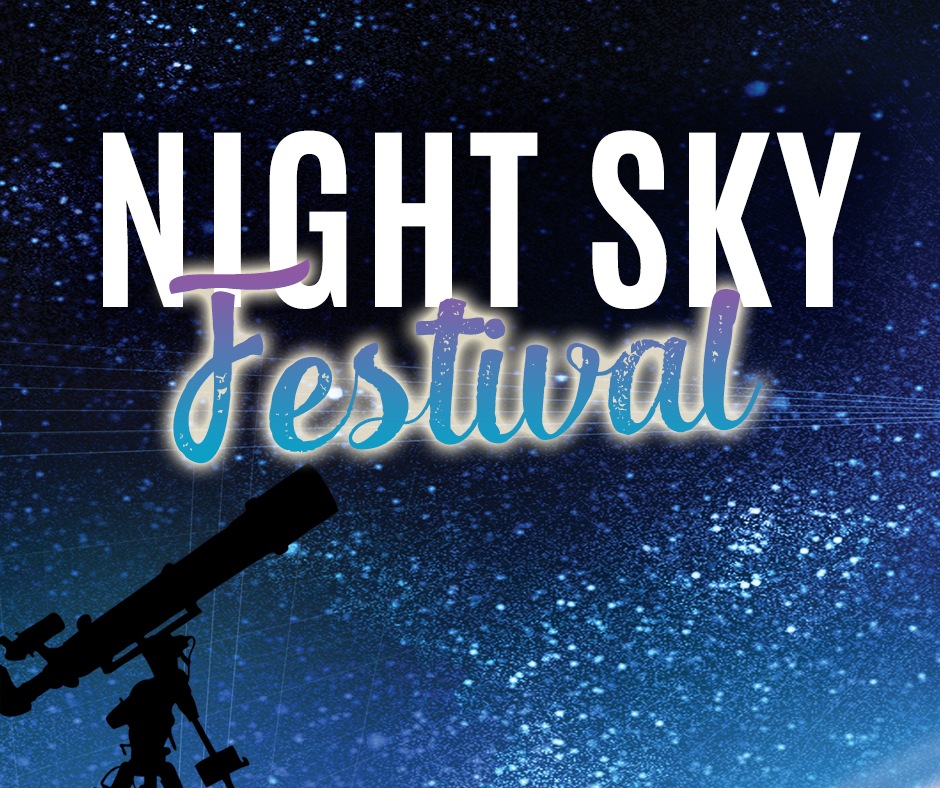
Join us at The Brown and Embry-Riddle Aeronautical University as we celebrate the wonders of astronomy and the night sky for Florida’s most exciting star party.
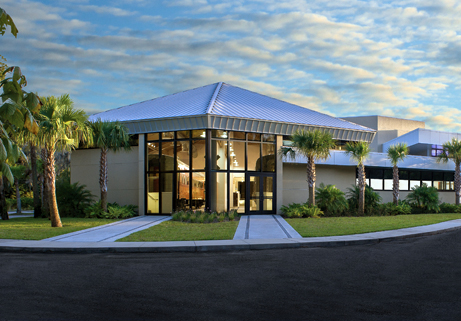
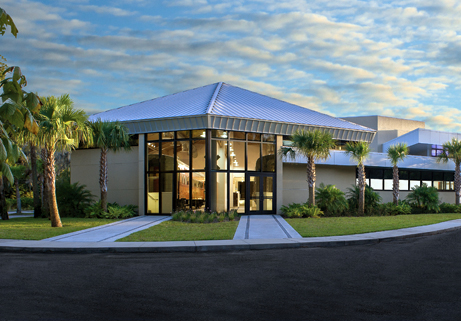
Stop by The Brown for our Night Sky Festival as we peer through a wide variety of telescopes set up outside on the front entrance courtyard. Join our planetarium staff with in-person tours of the night sky, a wide array of astronomy programs in the Lohman Planetarium, and interactive displays in the Planetarium Lobby. A bar will be open to purchase beverages and snacks to enjoy throughout the evening. Below are the constellations, stars, planets, and deep sky objects most likely to be seen.
- Orion with the Orion Nebula and bright stars Rigel and Betelgeuse
- Canis Minor with Procyon
- Canis Major with Sirius, brightest star in sky
- Taurus with Aldebaran and the Pleiades
- Auriga with Capella
- Gemini with Pollux and Castor
- Moon (waxing gibbous) in Cancer
- Jupiter in Gemini with Galilean Moons (Callisto, Europa, Io, Ganymede)
Make sure to also include a trip to the nearby ERAU campus for their Astronomy Open House, where you will find telescope tours, astronomy presentations, hands-on demonstrations, and have an opportunity to look through one of the largest publicly accessible telescopes in the southeastern United States. Check ERAU’s website for more information about this event: https://bit.ly/ERAUastronomy_openhouse
Parking is limited. Planetarium shows have limited seating and are first-come, first-served.
Once the night gets dark, prime telescope viewing will begin, and Seth Mayo, Director of the Planetarium, will lead an in-person, outdoor tour of the sky.
Admission: The outdoor portion of the MOAS Night Sky Festival is free and is weather permitting. Lohman Planetarium shows are free for members, $7.00 per show for non-members, $5.00 for children 17 and under.
This program partnership brings together the primary astronomy and space education facilities in the Daytona Beach area, highlighting the ERAU Observatory and the Lohman Planetarium.